Roof Repairs Succasunna NJ for Valley Damage and Drainage Issues
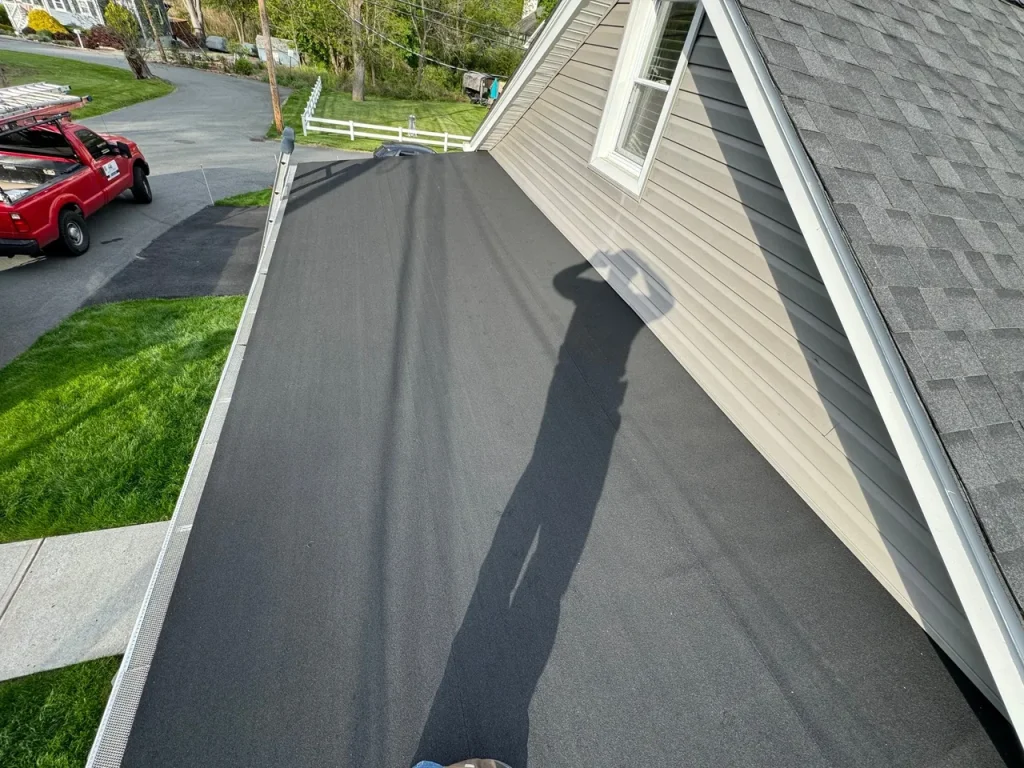
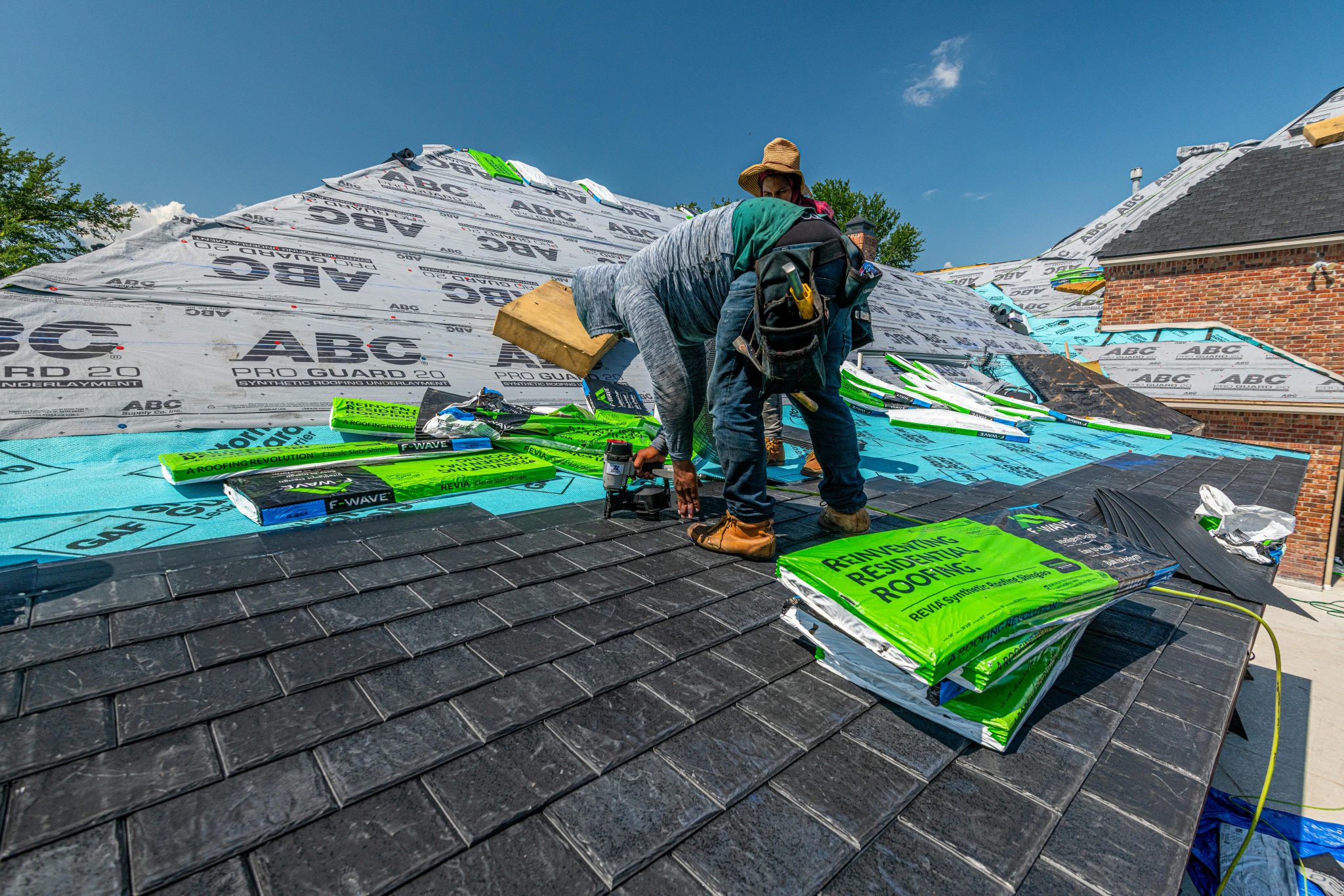

A roof rarely fails all at once. More often, it starts with a narrow channel where two slopes meet, a slow overflow at the edge, a stain that appears after a hard rain, or a patch of shingles that never seems to dry as quickly as the rest. In Succasunna, those small signs matter. The local weather pattern, with steady spring rains, summer downpours, humid stretches, and winter freeze-thaw cycles, puts real stress on roof valleys and drainage paths. When those parts of the roof stop doing their job, leaks can move from nuisance to structural problem faster than many homeowners expect.
That is why Roof Repairs Succasunna NJ often come down to details rather than dramatic damage. A missing shingle gets attention right away. A compromised valley liner or a clogged drainage route does not. Yet in the field, those are some of the issues most likely to cause repeat leaks, wood rot, insulation damage, and interior staining. The fix is not always large, but it does need to be precise.
Why valleys fail before the rest of the roof
Roof valleys handle more water than almost any other section. They collect runoff from two roof planes and direct it downward in a concentrated stream. If the roof has dormers, intersecting gables, or additions tied into the main structure, the valleys become even more important. They are not just seams. They are drainage channels under pressure.
In practice, valley damage usually comes from a combination of age, poor installation, debris buildup, and weather exposure. On asphalt shingle roofs, the protective granules wear away faster where water rushes over the same path for years. On some homes, the original installation may have left nails too close to the valley centerline. That creates vulnerable points where water can back up during a storm and work its way beneath the shingles. In winter, ice can make that worse. When meltwater refreezes near the eaves, water may sit longer in the valley than the system was meant to handle.
A valley can also fail even when the surrounding roof looks decent from the ground. I have seen roofs with broad areas of shingles still holding their color and shape, but the valley beneath them was already soft, damp, and starting to decay because runoff had been funneling into one weakened section for years. Homeowners often assume a leak directly below a valley means the valley itself is the only problem. Sometimes it is. Other times the valley is exposing a problem with underlayment, flashing, ventilation, or a gutter system that cannot carry water away fast enough.
The drainage problems that lead to repeat roof leaks
Drainage issues do not always announce themselves with a drip from the ceiling. They often show up first as patterns. Shingles near the lower roof edge curl sooner than expected. Granules collect heavily in one gutter section. Moss grows in a narrow strip where moisture lingers. Fascia paint peels. On the inside, you might notice a light brown mark near a wall corner after a storm with wind-driven rain.
The reason drainage failures are so persistent is simple. Water follows the path of least resistance, but once one pathway becomes blocked, slowed, or overloaded, it starts searching for the next opening. A gutter packed with leaves can push runoff back onto the roof edge. A downspout that discharges poorly can oversaturate the area around the foundation, while also causing standing water at the eaves during heavy rainfall. A sagging gutter changes pitch just enough to hold water, and that extra weight can pull on the roof edge over time.
Succasunna homes with mature trees often face this exact pattern. The shade helps preserve some roof surfaces in summer, but leaves, twigs, seed pods, and fine organic debris collect in valleys and gutters. Once wet, that debris becomes a dam. Water slows down, shingles stay wetter longer, and the roof system loses the quick-shedding performance it was designed to have.
Drainage problems can also begin higher up. Improperly flashed skylights, chimney saddles that direct water poorly, and satellite or solar mounting penetrations near a valley can all contribute to chronic moisture concentration. It is common to hear a homeowner say, “We had that repaired already,” only to find the earlier repair focused on the visible leak point inside the house rather than the drainage pattern that caused it.
What valley damage looks like during a real inspection
Valley damage has a visual language of its own. On asphalt roofs, the first clues can be subtle. The shingles alongside the valley may look scuffed, thinned, or darker than the field shingles. You may see granule loss in a straight or slightly wavy line. If the valley is woven or cut, the cut edge may have lifted or become brittle. On older roofs, exposed metal valleys can rust at fasteners or along edges where water has repeatedly lingered.
During a hands-on inspection, the concern shifts from appearance to performance. Soft decking underfoot is a warning sign. So is evidence that nails are too close to the center of water flow. Sealant-heavy repairs in a valley are another red flag. Excess roofing cement can hide the source of trouble for a season, sometimes less, but it rarely improves the valley’s long-term ability to move water cleanly. In fact, bulky patches can obstruct flow and trap more debris.
Inside the attic, if accessible, the clues can be even clearer. Darkened sheathing, rusted nail tips, compressed or stained insulation, and a musty odor after rain all point to moisture intrusion. The leak may not be active that day, but the roof is telling you it has been under stress.
One important note from experience: the stain on the ceiling is often not directly below the failure. Water can travel along rafters, decking seams, or insulation before it drops. That is why good Roof Repairs depend on tracing water pathways rather than treating the nearest visible symptom.
Succasunna weather makes small defects more expensive
Roofs in northern New Jersey deal with four real seasons, and each one tests a different weakness. Spring exposes winter damage and challenges drainage with frequent rainfall. Summer heat ages sealants and can make already brittle shingles crack during storm cleanup or foot traffic. Autumn loads valleys and gutters with debris. Winter brings freeze-thaw cycles that open tiny gaps and turn slow drainage into ice-related backup.
In Succasunna, a valley that is merely worn in July can become a leak source in January. Water enters a small opening, temperatures drop, and expansion enlarges the gap. Then a snow event followed by sun creates runoff that cannot drain freely at the roof edge. Ice formation pushes water back under shingles that would normally shed it without trouble. The homeowner sees the problem indoors, but the root cause has been building for months, sometimes years.
That seasonality matters because timing affects repair choices. A roof that can be cleanly repaired in dry fall weather may need a more cautious, temporary stabilization during a frozen stretch. Professional judgment comes into play here. Not every situation calls for a full section replacement right away, but every active leak deserves a repair plan that addresses the cause and not just the emergency.
Repairing a valley the right way
A proper valley repair starts with exposing enough of the area to see what is happening beneath the shingles. That may mean removing damaged shingles on both roof planes, checking the condition of the valley liner or metal, and inspecting the decking for rot or delamination. If the wood substrate has lost integrity, covering it up is not a repair. The compromised section needs to be cut out and replaced so the fasteners and new materials have a stable base.
The repair method depends on the roof type and the existing valley design. On an asphalt shingle roof, a closed-cut valley might need new underlayment, ice and water protection, and a carefully re-established cut line that keeps water away from vulnerable edges and fasteners. An open metal valley may need replacement if corrosion, punctures, or poor overlap details are present. Where earlier repairs used heavy tar or caulk, that material often has to be removed so water can flow as intended instead of hitting obstructions.
Attention to nail placement is critical. This is one of those details homeowners rarely see, but it makes a major difference. Nails driven too close to the valley center can eventually become entry points when runoff is forced sideways by debris or ice. Good installers respect the water path. They also avoid overcompacting shingles into the valley in a way that creates stress points and cracking.
Matching materials matters too. If a roof is older, a repair can be technically sound and still look patched. That cosmetic difference is sometimes unavoidable, but the better concern is compatibility. The replacement shingles, underlayment, and flashing components need to work with the existing system. A visually neat repair that uses the wrong materials can age poorly and fail early.
Drainage corrections are often part of the roof repair
It is common for a valley repair to succeed only when drainage is corrected at the same time. If the gutter below that valley is undersized, clogged, poorly pitched, or pulling away from the fascia, the valley will continue to operate under strain. Likewise, if a downspout is blocked or the leader dumps water where it cycles back toward the house, the roof edge stays too wet.
This is where experience helps separate a quick fix from a durable one. A homeowner may call specifically for Roof Repairs Succasunna NJ and expect a shingle crew to swap a few damaged pieces. But if the actual problem includes a gutter holding two inches of standing water beneath the valley exit, ignoring that would be irresponsible. Water management is one system. The roof, flashing, gutters, downspouts, soffits, and even grading near the foundation influence each other.
On some homes, the correction is straightforward. Clean and flush the gutter system, reset sagging sections, secure loose hangers, and confirm proper downspout discharge. On others, especially where additions changed roof geometry over the years, the drainage load may exceed what the original gutter layout can comfortably handle. In those cases, upsizing a section or improving downspout placement can reduce chronic overflow and protect the repair.
When a repair is enough, and when it is not
Homeowners understandably want to know whether a leak means they need a new roof. Sometimes they do not. A localized valley failure on an otherwise healthy roof can often be repaired effectively. If the shingles outside the damaged area still have service life left, the decking is sound except for a limited section, and the drainage issue can be corrected, a focused repair makes sense.
There are also cases where repair money is better spent toward replacement. If the roof is near the end of its lifespan, the shingles are brittle across broad areas, multiple valleys show wear, and patchwork has already been tried more than once, it becomes harder to justify opening one section at a time. Repeated localized work on a tired roof can add up without delivering reliable protection.
The gray area is where judgment matters. A fifteen-year-old architectural shingle roof with one poorly installed valley is a different case than a twenty-five-year-old roof with widespread granule loss, soft decking near several penetrations, and chronic gutter overflow. A careful contractor should explain that distinction plainly, without using fear to drive a bigger sale. Good advice is often less dramatic than homeowners expect. Sometimes the right answer is, “Repair this now, monitor these other sections, and plan financially for replacement in the next few years.”
Interior damage tells only part of the story
By the time water shows up inside, the roof assembly has usually been compromised for a while. Drywall stains are only the visible part. Moisture can reduce insulation performance, support mold growth on wood or paper-faced materials, and weaken sheathing. In some homes, the problem extends to trim, paint, and even electrical fixtures if water tracks far enough.
I have seen minor-looking ceiling stains correspond to more significant attic damage than expected, especially around valleys over finished rooms. Warm interior air rises, meets cooler roof surfaces, and creates conditions where even small leaks linger. Homeowners may paint over a stain after a dry spell and think the problem is gone, only for the mark to return after the next wind-driven rain. The lesson is simple: cosmetic cleanup should follow repair, never replace it.
If the leak has been active for more than a short period, it is worth checking the attic and adjacent framing after the roof work is complete. Drying, insulation replacement, or small carpentry corrections may be needed. Skipping that step can leave hidden moisture in place even after the exterior repair is sound.
The value of finding the first cause, not the last drip
One of the most common mistakes in Roof Repairs is treating the last place water appeared as the place where it entered. Roof systems do not work that way. Water may come in near a valley, run under underlayment, travel beside a chimney chase, and only show itself at a second-floor bedroom ceiling ten feet away. If the repair focuses only on the visible stain or the easiest section to reach, the homeowner gets a bill without getting a solution.
A good inspection traces the entire route. That means looking uphill from the leak, not just around it. It means https://sethcdsj252.bearsfanteamshop.com/roof-repairs-succasunna-nj-preventing-costly-water-damage checking debris patterns, flashing relationships, fastener placement, and gutter performance as part of the same diagnosis. It also means being honest about uncertainty. Some leaks only reveal themselves clearly under specific wind directions or rainfall intensity. In those cases, the right approach is still methodical. Test the most likely routes, repair what is verifiably wrong, and document the conditions so follow-up is more precise if needed.
What homeowners in Succasunna can watch for before calling for repair
Most owners do not need to climb onto a roof to spot early warning signs. You can often see enough from the ground or from the attic to know when it is time to act. Brown stains on ceilings after storms, gutter overflow at one corner, debris packed into a visible roof valley, shingles that look worn or split alongside a valley line, and paint peeling near fascia boards all justify a professional look. So does a recurring musty smell in the attic after rain.
Timing matters. A small valley issue caught early may involve limited shingle replacement, underlayment correction, and cleanup. The same issue left through a wet season can expand into decking replacement, insulation damage, and interior repairs. Roof systems reward early attention because water damage compounds. It does not sit still.
Choosing a repair approach that lasts
The strongest roof repairs are not always the biggest or most expensive. They are the ones that restore water flow, protect the vulnerable transitions, and fit the age and condition of the existing roof. For valley damage and drainage issues in Succasunna, that usually means balancing craftsmanship with realism. Clean out what blocks the water. Open the area enough to see the substrate. Replace compromised materials rather than burying them. Rebuild the valley or edge detail so water has a clear path again. Then make sure the gutter system can carry the load away.
That approach sounds simple, but the discipline behind it is what separates durable work from temporary patching. Roofs leak at details, and they stay dry because of details. Valleys, flashing lines, underlayment laps, nail zones, gutter pitch, downspout discharge, attic moisture conditions, all of them matter. When they are evaluated together, Roof Repairs Succasunna NJ become far more effective and far less likely to turn into repeat service calls.
A roof does not need to be brand new to perform well. It does need its drainage anatomy intact. When valleys are sound and water can move off the roof quickly, the entire system lasts longer. That is the practical goal behind smart Roof Repairs, not just stopping a leak today, but preserving the roof’s ability to handle the next hard rain, the next thaw, and the next season after that.
Royalty Exteriors
Address: 151 NJ-10 Ste 103A, Succasunna, NJ 07876
Phone number: +19733337234
FAQ About Roof Repairs Succasunna NJ
How much should I pay for roof repairs?
Most homeowners pay an average of $900 to $1,200 for roof repairs, with typical projects ranging from $150 to $3,000+ depending on the severity of the damage.
What are the most common roof repairs?
The most common roof repair is fixing water leaks by replacing damaged, cracked, or missing asphalt shingles and sealing compromised flashing.
Does homeowners insurance pay for roof repairs?
Homeowners insurance pays for roof repairs only if the damage is sudden and accidental, such as from a storm, hail, or a falling tree.